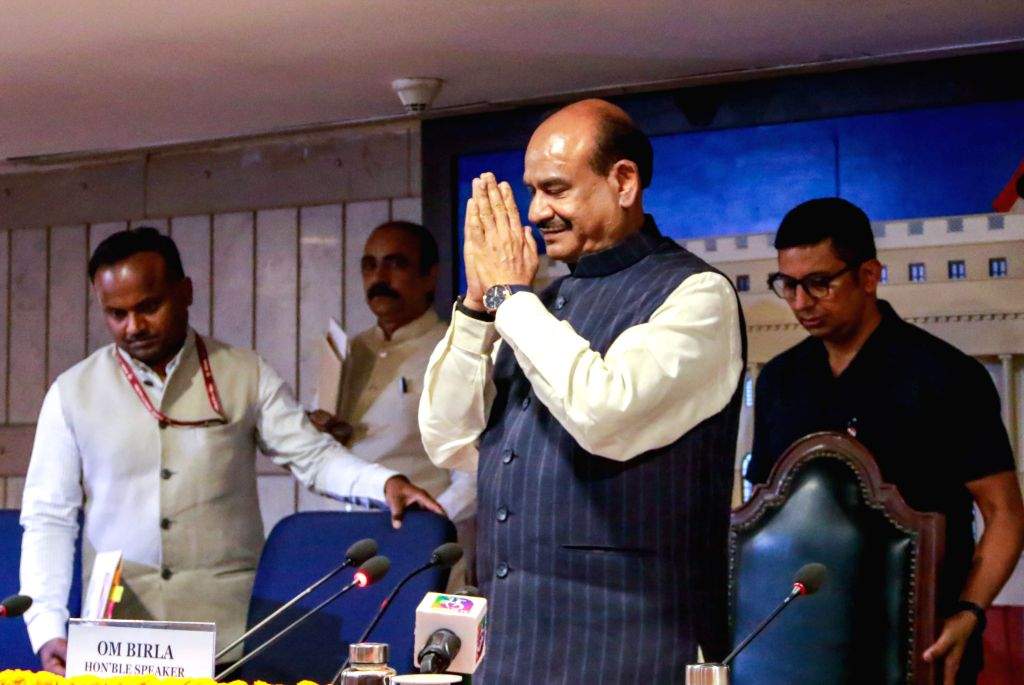
New Delhi: Lok Sabha Speaker Om Birla on Wednesday urged newly inducted Indian Administrative Service (IAS) officer trainees to regard the civil services not simply as a profession but as a lifelong dedication to the Constitution, the nation, and its citizens. Addressing the 2024 batch of IAS officer trainees during the Assistant Secretaries Programme at Parliament House, Birla emphasized that civil servants play a crucial role in converting public expectations into concrete outcomes through effective administration.
The interaction, organised by the Parliamentary Research and Training Institute for Democracies (PRIDE), the capacity-building arm of the Lok Sabha Secretariat, centred on the responsibilities of future administrators in reinforcing democratic institutions, ensuring effective policy execution, and providing citizen-focused governance.
Civil Servants Are Major Drivers of Change
Speaking to the officer trainees, Birla described civil servants as important drivers of change who connect policymaking with implementation. He observed that while elected representatives voice public concerns and pass laws in Parliament, it is the administrative framework that ensures those laws and policies deliver meaningful impact on the ground.
He stressed that the real success of any governance system depends not only on the strength of legislation but also on how efficiently policies are carried out at the grassroots level. According to Birla, bureaucrats act as the vital link between governmental goals and public welfare.
‘IAS Is Beyond a Profession’
Encouraging the trainees to embrace a service-driven outlook, Birla said the IAS should not be perceived merely as a prestigious career or government position. Instead, he advised them to view their responsibilities as a lifelong commitment to preserving constitutional values and serving the country.
He pointed out that civil servants hold positions of significant responsibility and influence, making it imperative for them to remain dedicated to public welfare, accountability, and ethical administration throughout their careers.
Remain Connected to Grassroots Realities
One of the central themes of Birla’s address was the need to stay closely connected with citizens and understand realities at the grassroots level.
He advised future administrators not to become disconnected from the communities they serve and stressed that effective governance requires more than technical competence or familiarity with rules and regulations. According to him, empathy, sensitivity, and a thorough understanding of local concerns are equally essential qualities for successful administrators.
Birla encouraged officers to engage regularly with citizens, listen carefully to their concerns, and develop first-hand insight into local challenges before designing or implementing solutions.
Importance of Regional Languages and Public Confidence
Highlighting the importance of communication in governance, Birla noted that officers who interact with people in local languages often build stronger relationships with communities and are better positioned to address public grievances.
He said direct interaction with citizens helps strengthen confidence in government institutions and improves the relationship between the administration and the public. Such confidence, he observed, is essential for effective governance and the successful delivery of welfare programmes.
Women’s Increasing Presence in Civil Services Appreciated
The Lok Sabha Speaker also expressed satisfaction over the rising participation of women in India’s civil services. He noted that greater representation of women in administration contributes meaningfully to strengthening governance structures and enhancing decision-making processes.
Birla said that the growing number of women joining the civil services reflects positive societal progress and improves the inclusiveness of public administration.
Call for Integrity, Transparency and Service to the Vulnerable
Concluding his address, Birla urged the IAS trainees to maintain the highest standards of integrity, transparency, and accountability throughout their professional journeys.
He emphasized that public service should remain the foundation of their careers and encouraged them to focus their efforts on improving the lives of the most vulnerable and marginalized sections of society.
The interaction formed part of the Assistant Secretaries Programme, which provides newly recruited IAS officers exposure to the functioning of key institutions of governance and policymaking. The programme seeks to equip future administrators with a deeper understanding of democratic processes, parliamentary functioning, and the challenges of public administration before they assume field responsibilities.
Birla’s address highlighted the enduring contribution of civil servants to nation-building and reaffirmed the importance of constitutional values, grassroots engagement, and citizen-centric governance in shaping India’s administrative future.